
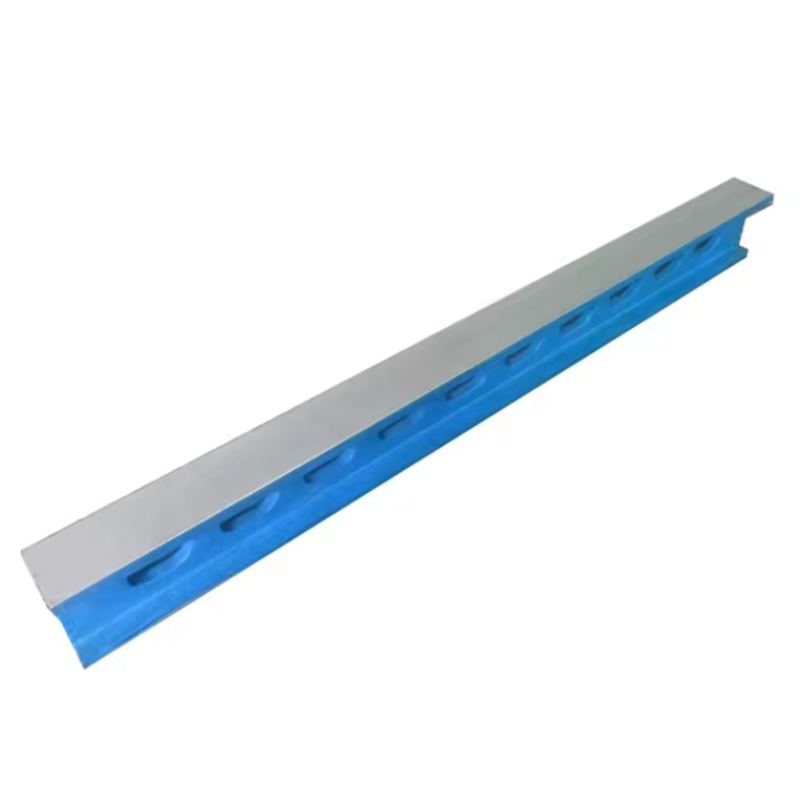
12mm toughened glass
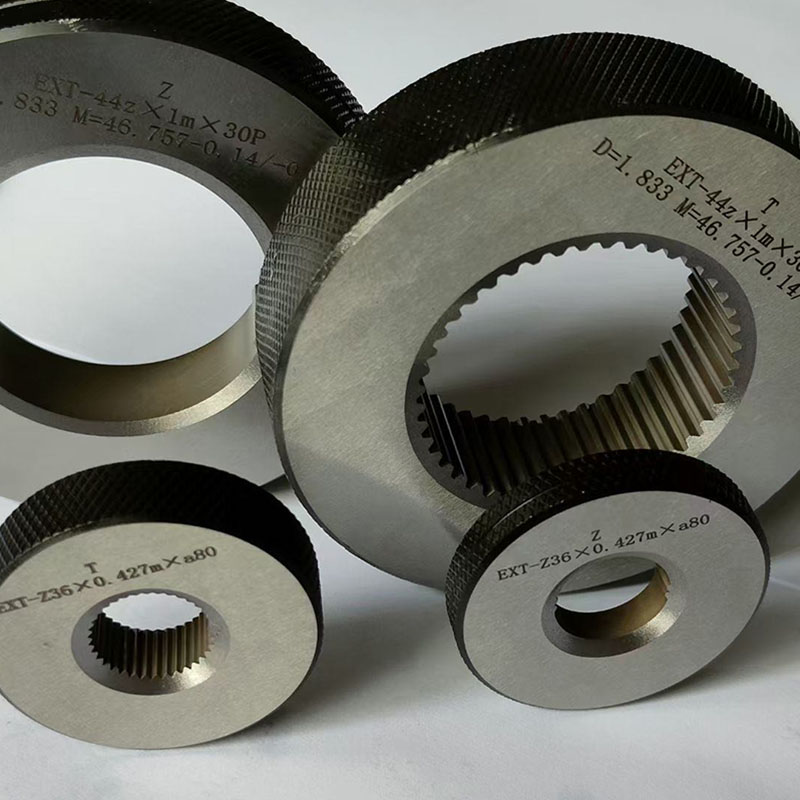
Understanding Thread Ring Gauges 6H and 6G Tolerances Thread ring gauges are essential precision tools used to check the dimensions and accuracy of threaded products. In industries where threaded components are pivotal, gauging the correctness of threads is crucial to ensure optimal functionality and safety. Among the various classifications of thread gauges, the 6H and 6G tolerances are popular standards that are widely recognized for their specific applications. What are Thread Ring Gauges? A thread ring gauge is a cylindrical tool with internal threads that conform to a specific thread profile. These gauges are utilized primarily to measure the major diameter, pitch diameter, and the form of the internal threads of fasteners, such as bolts and nuts. The gauge checks whether the threaded component meets the required standards by simply threading it onto the part. Tolerances Explained 6H and 6G The designations '6H' and '6G' relate to the tolerances defined by the International Organization for Standardization (ISO) and the American National Standards Institute (ANSI) for thread forms. The numbers following the letter indicate the grade and type of tolerances applied. - 6H Tolerance The 'H' represents a tolerance class for internal threads, with the number '6' indicating a medium tolerance fit. In practical terms, this means that a 6H fit is precise enough for most applications, without extensive adjustment needs. It provides a good balance between ease of assembly and retention force, making it suitable for widely used threaded fasteners and connection components in mechanical assemblies. - 6G Tolerance On the other hand, 'G' signifies that this tolerance applies to external threads, with '6' again indicating a medium fit. The 6G tolerance is more stringent than that of 6H, ensuring better compatibility in more critical applications. Typically, 6G is employed in more demanding environments, such as hydraulic systems or high-stress mechanical applications, where the integrity of the threaded connection is paramount. thread ring gauge 6h and 6g Applications of 6H and 6G Gauges Thread ring gauges with 6H and 6G tolerances are indispensable in various industries. - Manufacturing In manufacturing, especially in the production of bolts, nuts, screws, and other fasteners, ensuring that each piece conforms to the specified tolerances is essential for quality control. The use of 6H ring gauges helps manufacturers verify that internal threads on components fit correctly with external threads of mating parts. - Aerospace The aerospace industry is heavily reliant on precision-engineered components. 6G ring gauges are frequently employed to test the rigorous thread tolerances required for components that endure significant stresses during flight. Ensuring that threaded connections meet these tolerances is crucial for safety and efficiency. - Automotive Similarly, in automotive applications, both 6H and 6G gauges are vital for assessing the fit and function of threaded components used throughout vehicles. Adequate sizing ensures that critical parts, like engine mounts and transmission links, maintain their proper function and do not fail under load. Conclusion Thread ring gauges with 6H and 6G tolerances play a vital role in ensuring the reliability of threaded connections in numerous industries. Understanding the distinctions between these tolerances helps manufacturers and quality control personnel choose the appropriate gauge for their specific needs, ultimately ensuring the integrity and performance of their products. In an era of increasing precision requirements, the importance of thread gauging cannot be overstated, as it lays the foundation for robust mechanical systems.
about
12mm toughened glass
The Importance of Machine Vibration Pads in Industrial Applications In the world of industrial machinery, the importance of minimizing vibration cannot be overstated. Excessive vibration can lead to equipment wear, reduced efficiency, and increased maintenance costs. One effective solution to mitigate these issues is the use of machine vibration pads. This article explores the significance of vibration pads, their types, benefits, and applications across various industries. Understanding Machine Vibration Before delving into the specifics of vibration pads, it's crucial to understand the concept of machine vibration itself. Vibration occurs when a machine deviates from its equilibrium position, which can be caused by imbalances in rotating parts, uneven surfaces, or external forces. While some vibration is normal in machinery, excessive or uncontrolled vibration can lead to catastrophic failures. What Are Machine Vibration Pads? Machine vibration pads, also known as vibration isolation pads or vibration dampening pads, are materials designed to absorb and reduce vibrations produced by machinery. They function by providing a cushion between the machine and the surface it rests on, effectively isolating the vibrations generated during operation. These pads are typically made from materials such as rubber, neoprene, or polyurethane, which possess excellent elasticity and damping properties. Types of Vibration Pads There are several types of machine vibration pads, each suited to different industrial applications 1. Rubber Vibration Pads These are the most common type used in various applications. They are effective at reducing vibrations and are relatively inexpensive. Rubber pads are often used in commercial buildings, HVAC systems, and machinery. 2. Foam Vibration Pads Made from dense foam, these pads are excellent for sound dampening as well as vibration isolation. They are lightweight and can be useful in areas where weight is a concern. 3. Gel Pads These pads provide superior vibration isolation due to their unique gel composition. They are typically used in sensitive equipment installations, such as medical devices and precision instruments. 4. Spring Isolators This type uses a combination of springs and pads to absorb vibrations. They are especially effective in heavy machinery applications where there are constant vibrations. Benefits of Using Vibration Pads Implementing machine vibration pads offers numerous advantages machine vibration pads 1. Enhanced Equipment Life By minimizing wear and tear, these pads help extend the life of machinery and reduce the frequency of repairs. 2. Improved Operational Efficiency Reducing vibrations allows machines to run more smoothly, enhancing their performance and efficiency. 3. Noise Reduction Vibration pads also help to dampen noise generated by machinery, creating a safer and more pleasant working environment. 4. Increased Safety Vibrations can lead to the destabilization of machinery and pose risks to operators. Vibration pads help maintain stability and safety in the workplace. 5. Cost Savings Though there is an initial investment in vibration pads, the long-term savings through reduced maintenance and enhanced equipment longevity can be significant. Applications Across Industries Machine vibration pads find applications in numerous sectors, including - Manufacturing Used on assembly lines and machinery to reduce vibrations caused by moving parts. - Construction Helps to isolate vibrations from heavy machinery and prevent structural damage to surrounding buildings. - HVAC Systems Vibration pads are commonly used under HVAC units to minimize noise and vibrations transmitted through building structures. - Transportation They are employed in vehicles and trains to enhance passenger comfort by reducing vibration transfer. - Electronics Sensitive electronics and precision instruments rely on vibration pads to maintain accuracy and functionality. Conclusion In conclusion, machine vibration pads play a critical role in modern industrial applications by isolating vibrations and enhancing the longevity and efficiency of machinery. With a variety of types available to suit different industrial needs, the benefits of using vibration pads extend beyond just equipment maintenance; they also contribute to a safer, quieter, and more efficient work environment. As industries continue to evolve, the importance of effective vibration control through pads will undoubtedly remain a crucial consideration for engineers and operators alike.
-

High quality industrial productsagement

High quality industrial products
View Details -

Meet the diverse needs of customers

Meet the diverse needs of customers
View Details -

Strict quality control

Strict quality control
View Details -

Top raw materials

Top raw materials
View Details -

Trusted supplier

Trusted supplier
View Details
Our application
news and information
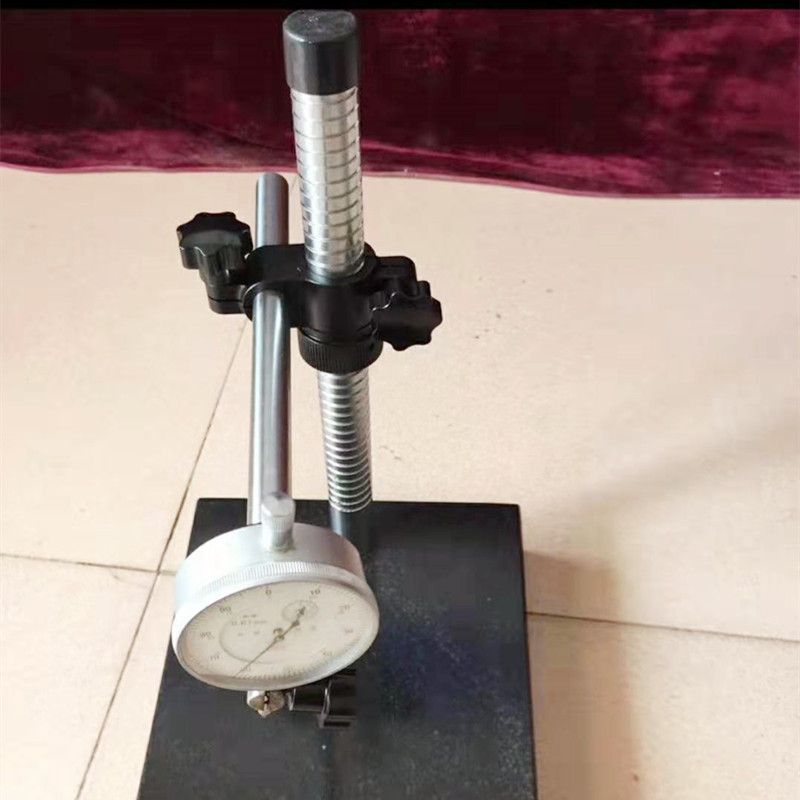
welding table total tools
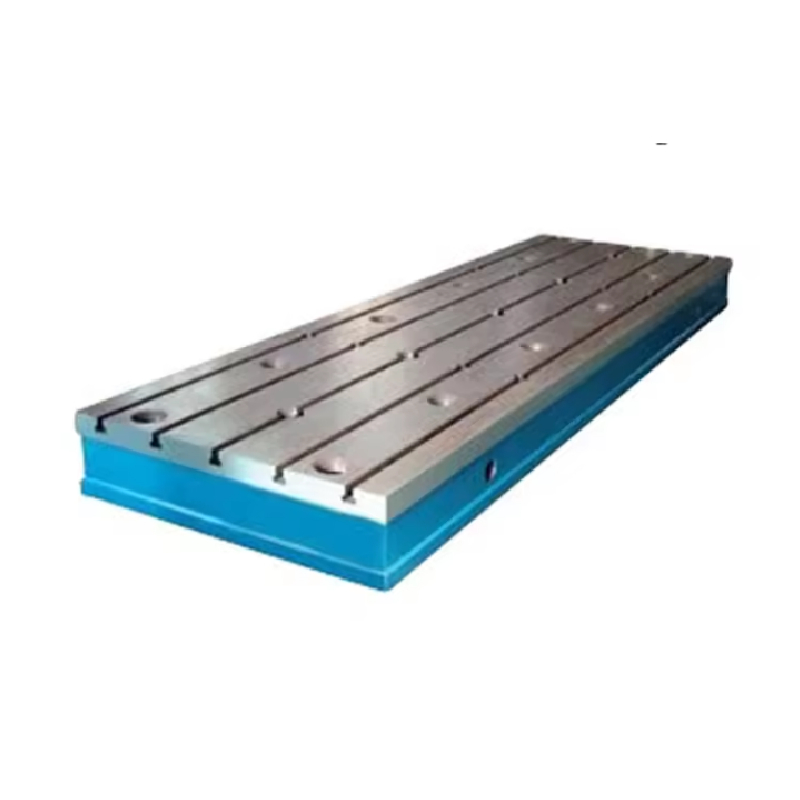
The Essential Role of a Welding Table in Tool Management and Efficiency In the realm of metalworking

Versatile and Durable Galvanized Strut Pipe Clamps for Secure Industrial Applications and Constructi
The Importance of Galvanized Strut Pipe Clamps in Construction and Infrastructure In the world of co
Y Type Strainer Filter for Efficient Fluid Filtration Solutions
Understanding Y-Type Strainer Filters A Comprehensive Guide In various industrial applications, main
 English